

Sleeping Bags 2026: The Ultimate Guide for Outdoor Adventurers
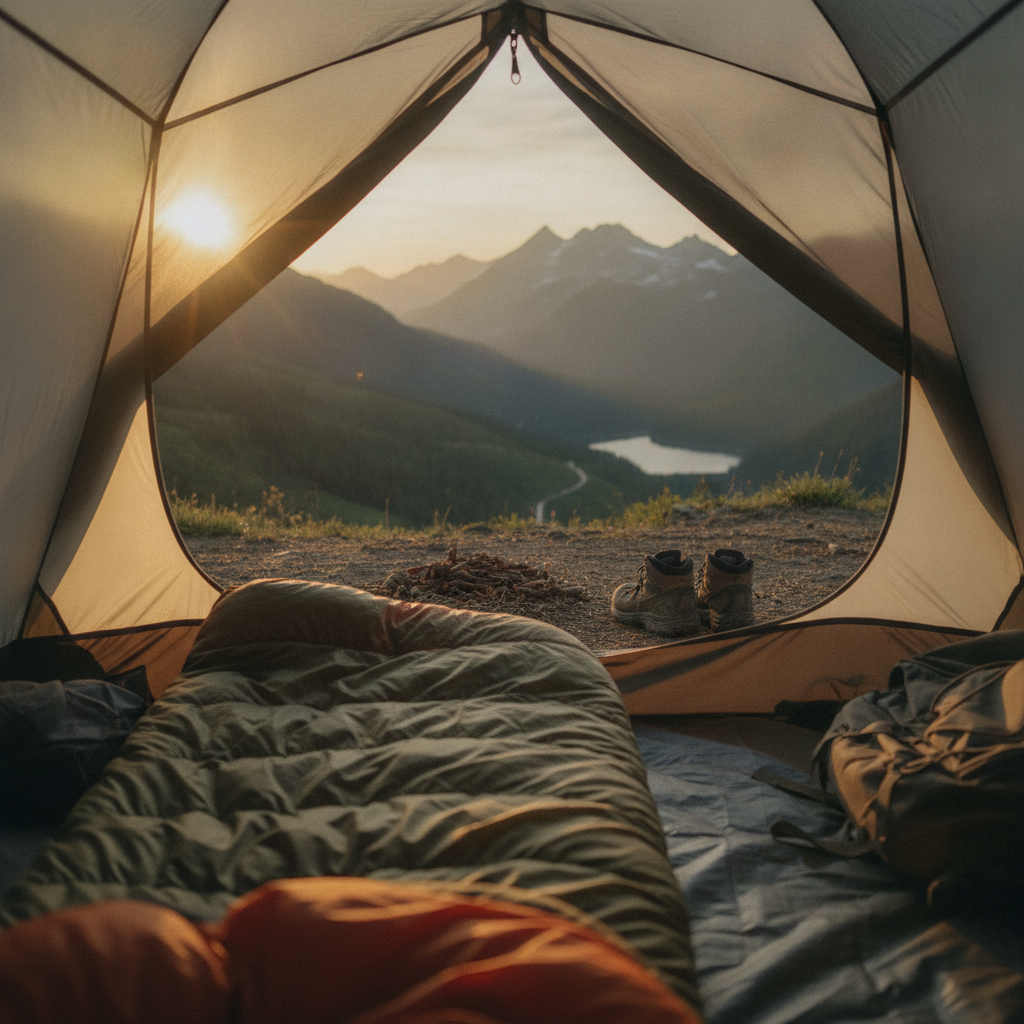
Sleeping Bags 2026: The Ultimate Guide for Outdoor Adventurers
Friends of the mountains, hunting, fishing, and adventure! If there's one thing a good outdoor adventurer values above all else when the day ends, it's a restorative rest. And that's where sleeping bags come into play. We're not talking about a simple piece of fabric, but a key piece of your gear, your personal refuge against the cold, humidity, and the rigors of the night. Choosing the right sleeping bag can make the difference between a night of shivering torture and a deep sleep that recharges you for the next day.
It doesn't matter if your passion is hiking in the Picos de Europa, trekking in Sierra Nevada, mountaineering in the Pyrenees, a day of climbing, a family camping trip by the river, or a survival expedition in the heart of the peninsula. Each adventure requires specific equipment, and sleeping bags are no exception. In this ultimate guide for 2026, we will break down everything you need to know to select the perfect sleeping companion, from key selection factors to maintenance and accessories that will enhance your experience. Get ready to sleep like a baby under the stars!
How to choose the perfect sleeping bag for your adventure?
Choosing the ideal sleeping bag is like choosing your favorite weapon for hunting or your rod for trout: it depends on the terrain, the climate, and your specific needs. There are several crucial factors to consider to ensure your sleeping bag is your best ally and not a source of headaches.
-
Temperature: This is, without a doubt, the most important factor. Sleeping bags come with a temperature rating that indicates the range in which they will keep you comfortable. Look for three values:
- Comfort temperature: The temperature at which a standard woman can sleep comfortably.
- Limit temperature: The minimum temperature at which a standard man can sleep comfortably.
- Extreme temperature: The minimum survival temperature, where the risk of hypothermia is high.
-
Filling type: Here the battle is classic: down vs. synthetic.
- Down: Lightweight, compressible, and with an unbeatable warmth-to-weight ratio. Ideal for trekking and mountaineering where every gram counts. Its main disadvantage is that it loses insulating properties if it gets wet. Down bags are more expensive, but their durability and performance are exceptional.
- Synthetic: More economical, retains its insulating properties even when wet, and dries faster. It is more bulky and heavier than down, but an excellent option for more static camping or humid climates.
- Weight and size: If you are going to carry it in your trekking backpack for days, weight and compressibility are vital. Down bags are usually the kings in this aspect. For car camping, weight is less critical.
-
Shape:
- Mummy: The most thermally efficient shape. It conforms to the body, minimizing empty space and air to be heated. Ideal for cold conditions and for those seeking lightness.
- Rectangular: Offers more space and freedom of movement, but is less efficient in cold climates. Perfect for summer camping or for those who move a lot in their sleep.
- Semi-rectangular (or hybrid): A compromise between the two, offering slightly more space than a mummy without sacrificing too much thermal efficiency.
- Materials: Pay attention to the outer and inner fabrics. The outer fabrics are usually water and wind resistant (ripstop, nylon), while the inner fabrics aim to be soft and breathable (polyester, microfiber).
For cold climates, look for bags with higher "loft" (filling's ability to puff up) and a good thermal collar to prevent heat loss from the neck. For warm climates, a lightweight synthetic fiber bag or even a sleeping bag liner may be sufficient.
Types of sleeping bags: From summer to extreme expedition
The world of sleeping bags is as vast as the adventures that await us in nature. Each type is designed with a specific purpose in mind, optimizing the balance between warmth, weight, and comfort. Knowing them will help you fine-tune your choice.
- Summer sleeping bags (0°C to +10°C): Lightweight and compact, perfect for mild summer nights, beach camping, or mountain shelters where temperatures don't drop too low. They usually have light synthetic filling and a rectangular or semi-rectangular shape for greater freedom. They are ideal for those looking for something that takes up little space in their trekking backpacks.
- Three-season sleeping bags (0°C to -10°C): The most versatile and popular. Designed for spring, summer, and autumn in most Spanish latitudes. They offer a good balance between insulation and weight. You'll find them in both down and synthetic, often with a mummy shape to maximize thermal efficiency. They are the all-terrain option for most hikers and campers.
- Winter sleeping bags (-10°C to -25°C): This is where things get serious. Designed for harsh winter nights in the mountains, often above the snow line. They have great insulating power, usually high-quality down with a high "fill power" (an indicator of down quality). They are usually mummy-shaped, with thermal collars and anti-wind flaps on the zippers. Essential if your passion leads you to explore icy peaks.
- Extreme expedition sleeping bags (below -25°C): For the truly brave who defy the coldest conditions, such as ascents in the Himalayas or polar expeditions. They are true thermal fortresses, with maximum quality down fillings and often with chamber systems that prevent cold spots. They are bulky and heavy, but their ability to keep you alive is unmatched. For these adventures, every detail counts, from good mountain boots to robust hiking poles.
- Bivy / ultralight sleeping bags: Designed for minimalism and speed. Often combined with bivy sacks (see below), they are extremely lightweight and compact, ideal for mountain races, climbing bivouacs, or survival situations where every gram and cubic centimeter is gold.
When choosing, think about your main outdoor vertical. Are you more into family camping or high-altitude mountaineering? Do you need the least possible weight for your multi-day routes, or do you prioritize comfort for your tents? Your answer will guide you to the sleeping bag that best suits you.
Maintenance and care of your sleeping bags: Extend their lifespan
Your sleeping bag is an investment, and as such, it deserves good care so it can accompany you on countless adventures. Proper maintenance not only prolongs its useful life but also ensures that its thermal performance remains intact.
- Ventilation after each use: Never put your sleeping bag away immediately after using it. Take it out of its compression sack, spread it out, and air it out for a few hours, preferably in a dry, shady place. This helps eliminate body moisture and sweat, preventing the proliferation of bacteria and bad odors.
-
Cleaning:
- Spot cleaning: For small stains, use a damp cloth and mild soap, rubbing gently.
-
Full wash: Wash your sleeping bag as little as possible, only when strictly necessary.
- Down sleeping bags: Be careful! They require very specific washing. Use a front-loading washing machine (never a top-loader, as it can damage the down). Use a specific down detergent (without fabric softeners or bleaches). Wash with cold or warm water and a gentle cycle. Afterwards, drying is crucial: use a tumble dryer on a low heat setting with several clean tennis balls to "fluff" the down and prevent it from clumping. This process can take several hours, and you will need to shake and separate the down manually every so often.
- Synthetic sleeping bags: They are easier. You can wash them in a front-loading washing machine with cold water and mild detergent. Air dry, spread out, or tumble dry on a low heat setting, also with tennis balls.
- Storage: This is one of the most common mistakes. Never store your sleeping bag compressed in its stuff sack for long periods! This compacts the filling and reduces its insulating capacity. Ideally, store it loosely in a large, breathable storage bag (many sleeping bags come with one), or even hung in a closet. Make sure it is completely dry before storing it.
- Avoid moisture: Moisture is the worst enemy of a sleeping bag. Use a bivy sack or make sure your tent is well ventilated to prevent condensation. If your sleeping bag gets wet, dry it as soon as possible.
- Protect the zipper: Zippers are weak points. Be careful when opening and closing to avoid snagging the fabric. Clean and lubricate them occasionally if necessary.
By following these tips, your sleeping bag will provide you with years of warm and comfortable nights in nature.
Essential accessories to complement your sleeping bag
A good sleeping bag is the foundation, but there are a number of accessories that can elevate your outdoor sleeping experience to another level, adding comfort, protection, and versatility to your gear.
-
Insulating sleeping pads: Essential! The ground absorbs a huge amount of body heat, even in summer. A good insulating pad protects you from cold ground and moisture. There are several types:
- Foam mats: Lightweight, economical, and very durable. They don't puncture.
- Self-inflating pads: Offer a good balance between comfort, insulation, and weight.
- Inflatable (air) pads: The most comfortable and with the greatest insulating capacity, but also the most expensive and susceptible to punctures.
-
Bivy bags: A bivy bag is a waterproof and breathable outer layer that surrounds your sleeping bag. Essential for:
- Protection against moisture and wind: If you sleep outdoors or in shelters without a tent.
- Temperature increase: They can add a few extra degrees of warmth.
- Sleeping bag protection: Keeps it clean and protected from wear and tear.
-
Sleeping bag liners: These are inner covers, generally made of cotton, silk, or synthetic fiber, that are inserted inside the sleeping bag. Their advantages are numerous:
- Hygiene: They keep the inside of the bag clean, reducing the need to wash it.
- Temperature increase: Some can add a few extra degrees of warmth.
- Versatility: In summer, a sleeping bag liner may be enough to sleep without the main bag.
- Travel/camp pillows: Forget about rolling up your clothes. An inflatable or lightweight foam pillow drastically improves the quality of your sleep. They are small and very comfortable.
- Compression sacks: Although you shouldn't store your sleeping bag compressed long-term, a good compression sack is crucial for reducing its volume inside your backpack while you're on the go.
- Hot water bottles: On very cold nights, a hot water bottle (or even a sturdy canteen) inside your sleeping bag can be a real lifesaver.
Don't forget the importance of good clothing either. A pair of Alpha XTRM M pants or Protection M Camo Fire pants, along with appropriate top layers, will help you maintain body heat before getting into your sleeping bag.
Conclusion: Prepare your outdoor rest for 2026
As we have seen, choosing the right sleeping bag is a crucial decision that directly impacts your safety, comfort, and enjoyment of nature. For 2026, the key remains to understand your specific needs: the temperatures you will face, the type of activity you will undertake, and your personal preference regarding weight and volume.
Remember that investing in a good sleeping bag, along with an insulating sleeping pad, is not an expense, but an investment in your well-being and the quality of your adventures. A restorative rest will allow you to fully enjoy every sunrise, whether to go hunting with your QR Makuick mounts, explore new trails with your Delta Titanium HD binoculars, or simply contemplate the landscape. And don't forget maintenance: a well-cared-for sleeping bag is one that will faithfully accompany you for years.
Now that you have all the information, it's time to prepare your gear for the upcoming seasons. Explore our selection of outdoor products at tienda.offtv.es and equip yourself to live unforgettable experiences under the stars!