





The Iberian lynx, a success in conservation
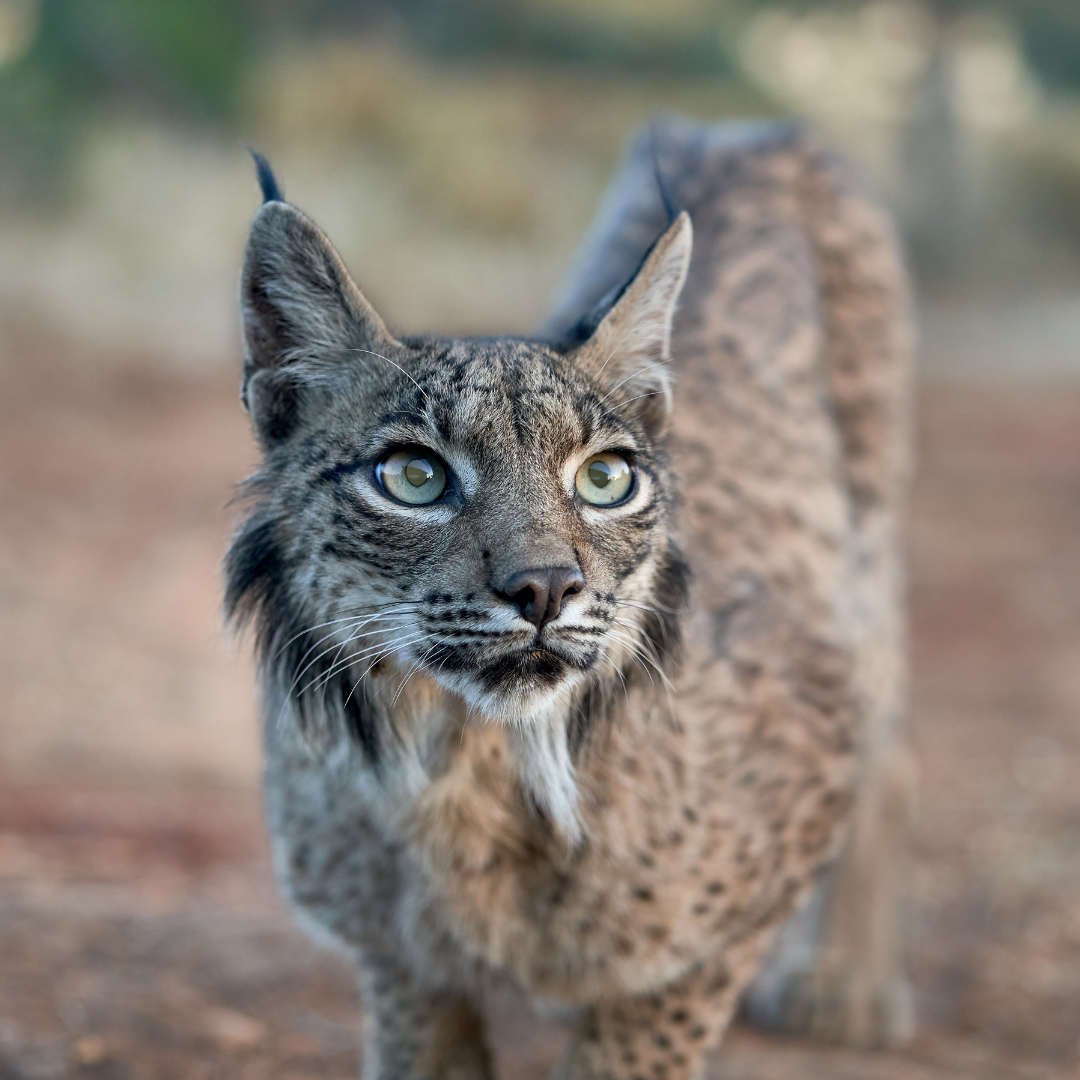
The Iberian lynx ( Lynx pardinus ), one of the most iconic wild cats of the Iberian Peninsula, has witnessed an impressive recovery journey. Since the late 19th century, the population of this majestic animal declined dramatically, becoming confined to a few areas in the south and southwest of the peninsula. Declared critically endangered in the 1990s and 2000s, the Iberian lynx has managed to recover thanks to the conservation efforts of numerous dedicated organizations and individuals. This blog explores the key stages in the lynx's recovery, the challenges faced, and the strategies implemented to save this species from extinction.
Getting to know the Iberian Lynx
The Iberian lynx is a medium-sized carnivore, characterized by its large eyes, small head, and long legs. Its grayish-brown coat with black speckles allows it to camouflage itself in its natural habitat, which includes Mediterranean scrubland, transitional zones between grass and shrubland, and rocky areas. Its primary diet consists of the wild rabbit ( Oryctolagus cuniculus ), and its presence in a given territory is closely linked to the abundance of this prey.
If you want to know more about this feline CLICK HERE .
The Decline of the Lynx
During the 20th century, Iberian lynx populations declined dramatically due to habitat loss, diseases affecting their primary prey (myxomatosis and rabbit hemorrhagic disease), and human-induced mortality (brushes, traps, and roadkill). By the early 2000s, it was estimated that fewer than 100 lynxes remained in the wild, restricted to two populations in Andalusia.

Recovery Projects
Since the mid-1990s, lynx recovery projects began, co-funded by public administrations and conservation organizations. Prominent among these projects are the European Union's LIFE programs, which have been instrumental in implementing large-scale conservation measures. This has resulted in the lynx being moved from an endangered species to a vulnerable category.
Conservation strategies fall into two main categories:
- In-situ conservation : This includes habitat improvement through clearing, thinning, revegetation, planting, and rabbit population management. Measures have also been implemented to reduce unnatural mortality, such as installing wildlife crossings on roads to prevent roadkill.
- Ex-situ conservation : Refers to the breeding of lynxes in captivity for their subsequent release into the wild. In the last 20 years, nearly 400 captive-born specimens have been reintroduced.
Evolution of the Lynx Population
Thanks to these efforts, the Iberian lynx population has experienced significant growth. From just 94 individuals in 2002, it has grown to more than 2,000 by 2024. Today, there are 14 population centers distributed between Spain and Portugal. In recent years, the number has grown from just a hundred individuals to more than 2,000, becoming a model in Europe.
The success of the Iberian lynx's recovery is due to several key factors:
- Common strategy based on scientific and technical criteria : Collaboration between scientists and technicians has made it possible to develop effective conservation strategies.
- Funding and public-private collaboration : Project financing and collaboration between public and private entities have been essential to implement the necessary measures.
- Involvement of all stakeholders : The active participation of hunters, hunting ground owners, and managers has been crucial. These groups have played a key role in creating suitable habitats and reducing threats to lynxes.

Future Challenges for Conservation
Despite its success, Iberian lynx conservation still faces challenges. Habitat fragmentation, diseases affecting its prey, and human threats such as roadkill remain major concerns. Maintaining and strengthening conservation measures is crucial to ensure a sustainable future for this species.
The recovery of the Iberian lynx is a testament to the power of collaborative conservation and commitment to biodiversity. This success has not only saved a species from the brink of extinction but has also demonstrated the importance of cooperation among diverse stakeholders in the conservation of our natural heritage. Continuing to support and expand these efforts is vital to ensuring the Iberian lynx continues to thrive in the ecosystems of the Iberian Peninsula.
Author: María Balletbó