

Survivalism: what it is and how the survivalist movement is experienced in Spain
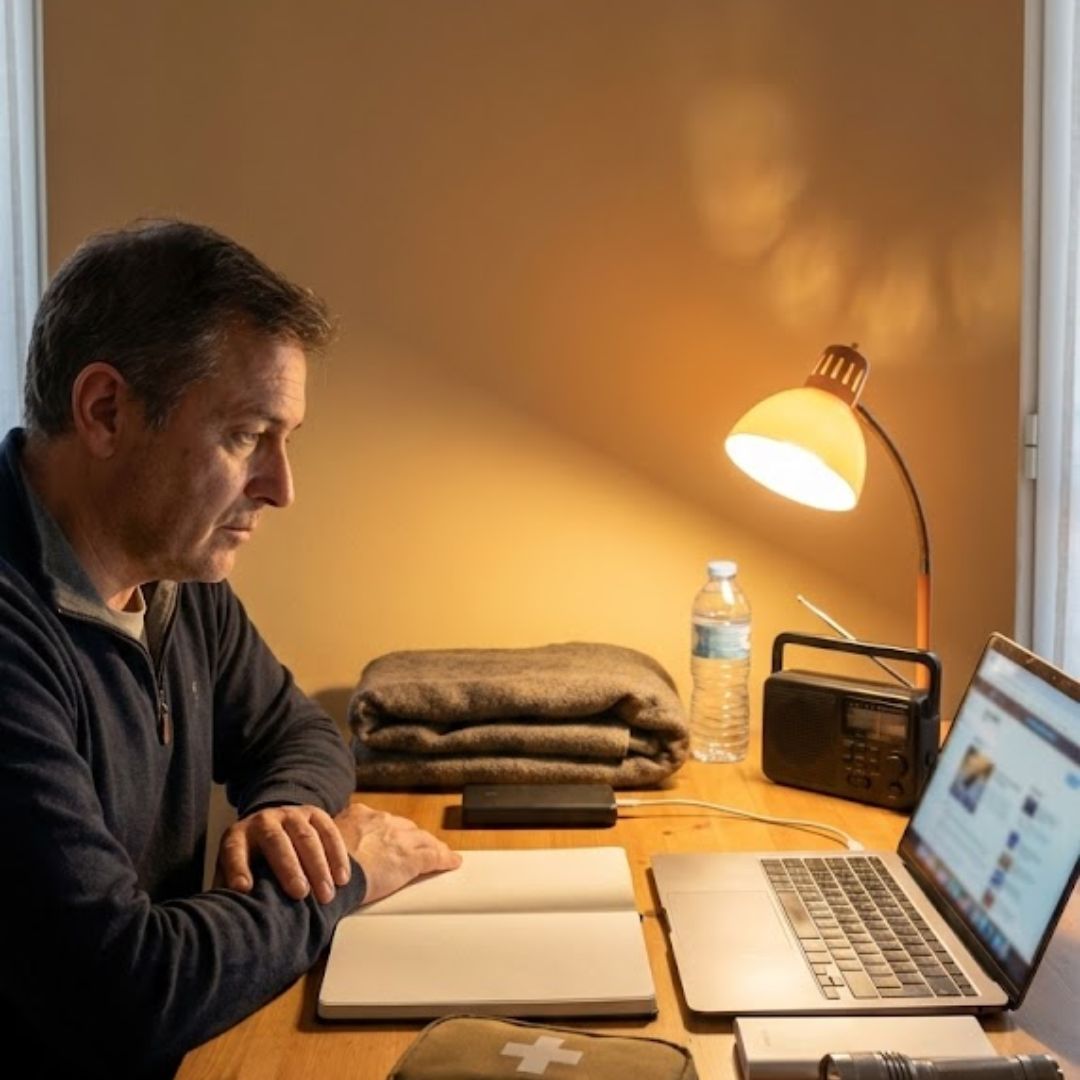
Preparedness is a life philosophy based on foresight, self-sufficiency, and adaptability in the face of unforeseen situations. Although for years it has been associated with extreme or catastrophic scenarios, the reality is that more and more preppers in Spain understand this concept as a responsible way to be ready for real emergencies: blackouts, storms, fires, supply cuts, or temporary isolation situations.
Far from alarmism, modern preparedness is based on common sense, practical knowledge, and the use of reliable equipment, closely linked to the world of hunting, mountaineering, and outdoor activities. Ultimately, it is not so different from what a good hunter has always done: plan, anticipate, and not rely on luck.
What preparedness is and what it really consists of
Preparedness consists of anticipating possible emergency scenarios to reduce risks and external dependence. It is not about living in fear, but about assuming that unforeseen events can occur and being prepared to face them calmly and with resources.
A prepper works mainly on three fundamental pillars:
-
Knowledge: knowing how to obtain drinking water, start a fire, navigate, provide first aid, or manage stress.
-
Planning: alternative routes, emergency contacts, layered kits, and family protocols.
-
Appropriate equipment: tested, resistant, and functional material in real conditions.
In Spain, preparedness adapts to specific and daily risks: snowfalls that isolate towns, forest fires, torrential rains, power outages, or temporary mobility restrictions.
Preppers in Spain: an increasingly normalized reality
Although the term still generates debate, preppers in Spain do not form a marginal group. Many come directly from the world of:
-
Hunting and fishing
-
Hiking, bushcraft, and mountaineering
-
Sporting survival
-
Emergency and security professionals
Unlike other countries, here the approach is usually practical and legal, without obsession with unrealistic scenarios. Priority is given to basic self-sufficiency, training, and respect for the environment and current regulations in Spain.
More and more people are discovering that preparing is not exaggerating, but acting responsibly.
Types of preparation within preparedness
Urban preparation
Designed for situations such as prolonged blackouts, lockdowns, or supply cuts. It usually includes:
-
Drinking water and purification systems
-
Autonomous lighting
-
Complete first-aid kit
-
Basic communication systems
It is the first level of entry into preparedness and the most common.
Outdoor preparation
Closely linked to hunters, mountaineers, and nature lovers. Here come into play:
-
Layered technical clothing
-
Shelter systems
-
Multipurpose tools and navigation
This type of preparation is based on real field experience, not theory.
72-hour survival kits
The famous 72-hour kit aims to guarantee self-sufficiency for three days, a key time in most emergencies.
There is no universal kit: it must adapt to the climate, environment, and capabilities of each person.
Legal and safety aspects of preparedness in Spain
Preparedness must always be practiced within the law. This point is fundamental to avoid problems and ensure responsible preparation.
Some basic guidelines:
-
Respect the regulations on weapons, knives, and tools.
-
Do not store prohibited material.
-
Train only in permitted areas.
-
Prioritize your own safety and that of others.
The goal of preparedness is not conflict, but prevention and personal resilience.
Practical field tips for preppers
From experience in hunting and outdoor activities, these tips make all the difference:
-
Test all your equipment before relying on it.
-
Avoid overly heavy backpacks.
-
Prioritize technical clothing over unnecessary gadgets.
-
Regularly train basic skills.
A prepared prepper is one who knows how to use what they carry, not one who accumulates the most things.
The role of a preparedness store and its relationship with hunting
A good preparedness store doesn't sell promises; it sells functional material. At this point, hunting and outdoor stores play a key role.
Hunting equipment is designed for:
-
Intensive use
-
Adverse conditions
-
Comfort for hours
-
Reliability in real field conditions
Therefore, backpacks, technical clothing, navigation accessories, or survival gear found in specialized hunting stores fit perfectly with modern preparedness, without the need for exaggerated "tactical" products.
Common mistakes in preparedness
When starting, many make the same mistakes:
-
Copying kits from other countries without adapting them.
-
Investing more in material than in training.
-
Not taking into account the local climate.
-
Thinking only about extreme scenarios.
Effective preparedness is realistic, progressive, and personal.
Preparedness, ethics, and sustainability
A key aspect is ethics. Preparing does not mean hoarding or acting individualistically. On the contrary, it implies:
-
Respecting the natural environment
-
Not harming ecosystems
-
Collaborating with the community
-
Promoting responsible self-sufficiency
Values very close to the ethical hunter and nature lover.
Preparedness with common sense and wisdom
Preparedness in Spain is not a trend or an exaggeration. It is a logical extension of outdoor culture: knowing the environment, respecting it, and being ready for the unexpected.
With training, planning, and appropriate equipment—much of which can be found in a good hunting store—preparedness becomes a useful tool for real life.
Preparing is not living in fear; it is living with foresight.