

What to Pack in a Survival Backpack? A Realistic Guide
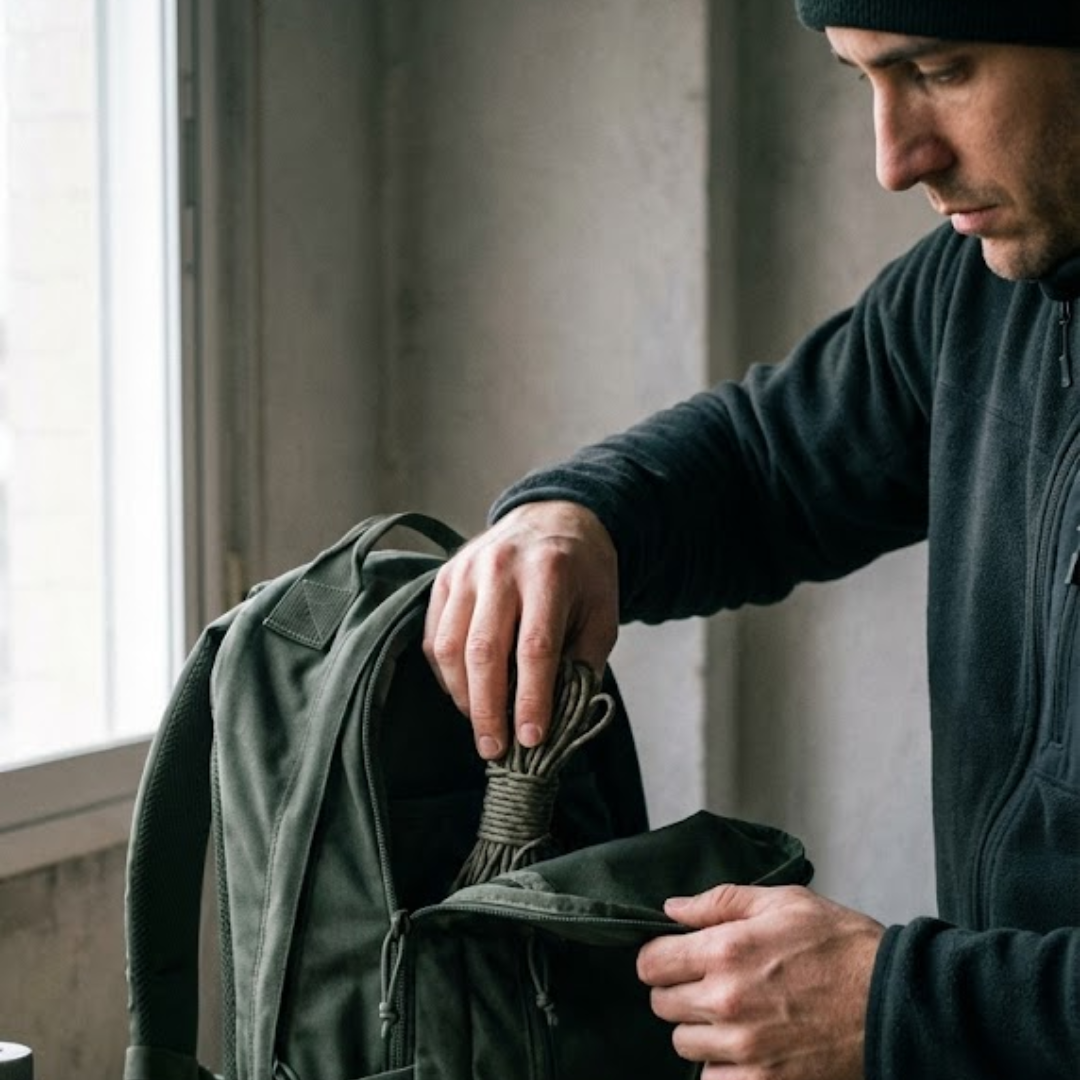
When we talk about what to carry in a survival backpack, we're not talking about filling a backpack for the sake of it. We're talking about what really saves your day (and night) when something goes wrong: a fall, an unexpected storm, a long detour, an unplanned night out, or simply an emergency in the wilderness. Today, I'm going to guide you step-by-step so you understand what to put in a survival backpack without carrying unnecessary weight and with everything you truly need.
And if you don't yet have a reliable backpack or want to upgrade your gear, check out this selection of hunting backpacks that work wonderfully for demanding outdoor situations.
What to carry in a survival backpack: the basics you should never be without
Let's get straight to the point. Here's what's essential, what I consider the core contents of a survival backpack for any outing.
-
Navigation: map, compass, GPS, or offline app.
-
Hydration: sturdy bottle or canteen + water purification tablets.
-
Fire: lighter, waterproof matches, ferrocerium rod.
-
Shelter: thermal blanket, lightweight tarp, or sturdy plastic sheet.
-
Tool: multi-tool knife or fixed blade knife.
-
Lighting: headlamp + extra batteries.
-
Basic first aid kit: bandages, plasters, disinfectant, painkillers, gauze.
-
Extra clothing: socks, thermal shirt, hat.
-
Light food: energy bars, nuts, freeze-dried meals.
If you're asking what a survival backpack contains in summary, it's this: water, fire, shelter, tools, food, and orientation. Everything else revolves around these six ideas.
What to put in a survival backpack based on the duration of the outing
You don't need the same things for a 4-hour hike as you do for an unexpected night in the mountains. Here's a practical and very honest guide.
For day trips
-
Minimum 1 liter of water.
-
Energy snacks.
-
Thermal blanket.
-
Small knife.
-
Headlamp.
-
Rain jacket or windbreaker.
-
Area map.
For long routes without planned overnight stay
-
1.5–2 liters of water.
-
Complete fire kit.
-
Ultralight tarp.
-
Additional thermal clothing.
-
Emergency whistle.
-
Duct tape (yes, it works for everything).
-
5–10 m of cordage.
For real survival or unexpected overnight stay
-
Lightweight sleeping bag or bivvy sack.
-
Emergency food for 24 hours.
-
Repair kit (stitching, patches, tape).
-
Water purification tablets.
-
More comprehensive first aid kit.
-
Redundant navigation (app + compass).
If you're setting up the contents of a survival backpack for the first time, start simple. The important thing is that your backpack responds when you need it, not that it carries a thousand useless items.
What an ideal survival backpack contains: the 5 essential groups
I'll divide it into very clear categories so you can assemble it quickly and without doubts.
1. Water and hydration
-
Canteen, steel bottle, or CamelBak.
-
Water purification tablets or lightweight filter.
-
Collapsible water bag.
Why it matters: In survival, water is the number one priority. Without water, there's no energy or clear judgment.
2. Fire and heat
-
Lighter (always).
-
Ferrocerium rod.
-
Tinder pellets or cotton balls with petroleum jelly for fire starting.
Why it matters: Fire dries clothes, cooks food, purifies water, and keeps you alive on cold nights.
3. Tools and repair
-
Multi-tool knife or fixed blade knife.
-
Multi-tool.
-
Strong cordage.
-
Paracord 550.
-
Patch for sleeping pads or tarps.
Why it matters: Tools multiply your possibilities: cutting, repairing, building, improvising.
4. Shelter and protection
-
Thermal blanket (essential).
-
Tarp or robust plastic sheet.
-
Waterproof poncho.
-
Lightweight hat and gloves.
Why it matters: Exposure to cold is more dangerous than lack of food.
5. Health, food, and lighting
-
First aid kit.
-
Painkillers and disinfectant.
-
Energy food.
-
Headlamp.
-
Extra batteries.
Why it matters: Staying visible, fed, and free from serious injury is an essential part of survival.
Common mistakes when deciding what to carry in a survival backpack
The most typical ones, and I've made almost all of them on my first trips:
-
Carrying too much weight "just in case."
-
Carrying useless items but not the essentials.
-
Not checking the backpack every season.
-
Forgetting chargers or extra batteries.
-
Not practicing before using.
Choose tools you know how to use. A simple knife, well-mastered, is worth more than a giant kit full of things you don't understand.
How to organize a survival backpack to find everything quickly
Organization is key. There's no point in knowing what to put in a survival backpack if it takes you ten minutes to find a headlamp.
-
Heavy items at the bottom and close to your back.
-
Urgent items at the top: first aid kit, headlamp, knife.
-
Side pockets for water and snacks.
-
Hidden pockets for documents.
-
Similar items in zip bags (fire, tools, hygiene...).
Organization is as important as the contents of a survival backpack. Don't underestimate it.
What to carry in a survival backpack depending on the season
In summer
-
More water.
-
Strong sunscreen.
-
Cap and sunglasses.
-
Insect repellent.
-
Extra shirt for sweat.
In winter
-
Thermal gloves.
-
Spare socks.
-
Compact fleece.
-
Hand warmers.
-
Larger tarp (wind and snow add weight).
In autumn and spring
-
Truly waterproof rain jacket.
-
Double thermal blanket.
-
Additional cord for securing shelter in wind.
Seasons change, so what a survival backpack contains should adapt too.
Frequently asked questions
Is it necessary to carry food even on short routes?
Yes. Quick energy (nuts, bars) completely changes your reaction capacity.
Should I carry two methods of fire starting?
Yes. Fire = safety. A lighter and ferrocerium rod is a perfect combination.
How much should a survival backpack weigh?
Ideally: between 10% and 15% of your body weight. More than that can hinder your mobility.
How often should I check the backpack?
Every season or after each trip. Batteries expire, snacks spoil, and cordage deteriorates.
Conclusion
Now you know what to carry in a survival backpack without overloading it and without forgetting the essentials. A good backpack is your life insurance on any mountain outing, and choosing the right contents for a survival backpack is a skill that improves with practice.
When you're ready to assemble or update your gear, check out Young Wild Hunters' hunting backpacks. They are tough, comfortable, and designed for those who truly live in nature.
If you like, I can prepare a printable list, an ultralight version, or a guide for assembling it by experience level. Would you like any of those?