





How to wash a sleeping bag? A practical guide to making it like new
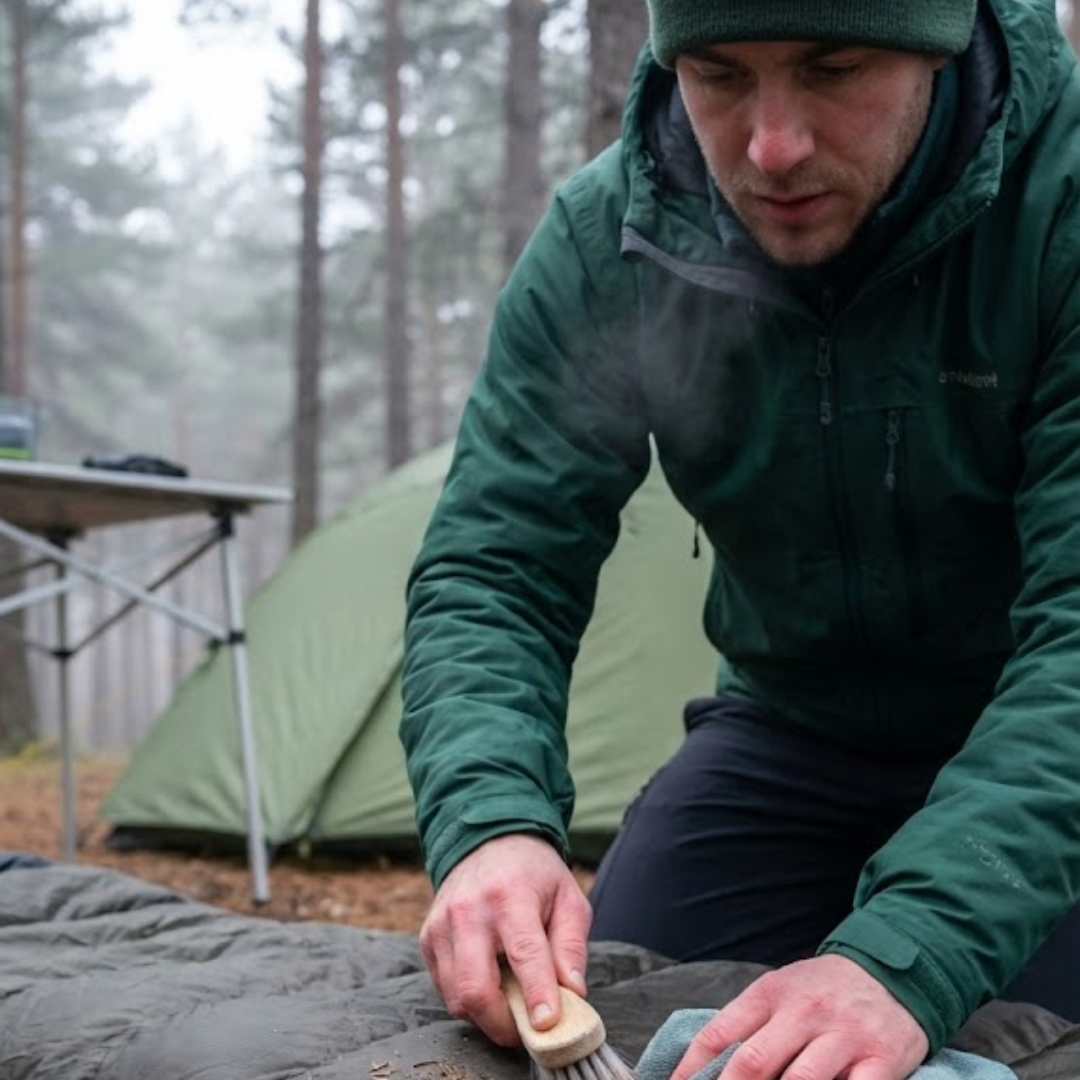
Washing a sleeping bag can be a bit daunting the first time. I get it: you think it's going to clump up, that the feathers won't go back into place, or that it's going to lose all its shape. But don't worry, washing a sleeping bag is much easier than it seems if you know the right steps. Today I'm going to guide you through the entire process so you can do it without damaging it, without fear, and with perfect results.
And if after washing it you discover it's time for an upgrade, here's a great selection of sleeping bags.
Can you wash a sleeping bag without ruining it?
The short answer: yes, absolutely.
The long answer: yes, but you have to do it right.
Each material requires different care. Washing a sleeping bag correctly is essential to maintain its insulation, shape, and thermal capacity. How you wash a down sleeping bag is different from a synthetic one, and washing by hand is not the same as using a washing machine. Let's go step by step.
How to wash a sleeping bag (quick version)
If you're in a hurry, remember this:
-
Use cold or lukewarm water.
-
Use a mild, technical fabric-specific soap.
-
Do not spin dry forcefully or use fabric softener.
-
Dry it thoroughly, with patience.
-
If it's down, use dryer balls to fluff it up.
Now, let's take our time so you can wash a sleeping bag like a pro.
How to wash a sleeping bag in a washing machine: yes or no?
You've probably asked yourself: can you wash a sleeping bag in a washing machine?
The answer is yes, as long as your washing machine is large enough and has gentle cycles.
Before putting it in, do this:
-
Check for holes.
-
Close all zippers.
-
Turn it inside out to protect the outer fabric.
-
Use a delicate cycle with cold water.
-
Avoid intense spinning.
The trick is to treat it like a piece of technical mountain gear (because it is). If your washing machine is small, do it at a laundromat with large drums.
How to wash a synthetic sleeping bag
Synthetic bags are the easiest to wash. If yours is synthetic, you're in luck. Here's how to wash a synthetic sleeping bag without complications:
-
Use mild liquid soap.
-
Wash on a short or delicate cycle.
-
Cold water.
-
Minimum spin.
-
Air dry or tumble dry at very low temperature.
Synthetic bags hold up better to washing and maintain their shape without as much fuss. Even so, never put them in hot water or use fabric softener, as it reduces their thermal capacity.
How to wash a down sleeping bag
Here you need to be more careful. Learning how to wash a down sleeping bag is essential if you want to preserve its "loft," which is the volume that traps air and provides warmth.
Follow this method:
-
Special down soap. Regular detergents destroy the natural oils that protect down.
-
Cold or lukewarm water, never hot.
-
Very gentle wash, with plenty of water and little movement.
-
Several rinses to completely remove the soap.
-
Slow drying, preferably in a dryer.
-
Dryer balls or clean tennis shoes to break up down clumps.
This last point is crucial. When you wash down, humidity causes it to "clump up." The balls help break up these clumps so the down can re-expand.
How to wash a sleeping bag by hand (the safest method)
If you don't want to take any risks, this is the gentlest way to wash a sleeping bag:
-
Fill the bathtub or a large basin with lukewarm water.
-
Add mild soap, without fabric softeners.
-
Submerge the bag, pressing gently with your hands.
-
Let it soak for 10–15 minutes.
-
Rinse several times until the water runs clear.
-
Wring out without twisting, pressing with your hands or using towels.
It's laborious, but it's the gentlest and lowest-risk method.
Drying a sleeping bag correctly
It's pointless to wash a sleeping bag perfectly if you then dry it incorrectly. Drying accounts for 50% of the result.
If it's synthetic:
-
Air dry in the shade and a well-ventilated area.
-
You can use a dryer at a low temperature.
If it's down:
-
Definitely tumble dry (otherwise, it will take days to dry).
-
Use dryer balls to break up clumps.
-
Check the interior to ensure no moisture is trapped.
Drying a sleeping bag takes time. Be patient. Improperly dried down smells, loses loft, and can be damaged.
Tips you should know before washing a sleeping bag
Here are my favorites, the ones that really make a difference:
-
Put the sleeping bag inside a pillowcase to protect it in the washing machine.
-
If it smells too much, add a little baking soda to the water.
-
If the zipper gets stuck, lubricate it with dry soap (never oils).
-
Always store it loosely, not compressed. It better maintains its insulation.
-
Only wash when necessary; often airing it out thoroughly is enough.
Sleeping bags are not designed to be washed constantly. In fact, the less you wash them, the longer they will last.
Frequently asked questions about washing a sleeping bag
How often should you wash a sleeping bag?
It depends on use. For occasional trips, once per season. If you camp a lot, perhaps 2–3 times a year.
Can I use regular detergent?
Not if it's down. For synthetics, it's not ideal either. Mild soaps extend the life of the sleeping bag.
What happens if I put it in the dryer on high heat?
You can burn fibers, damage the insulation, or deform the down. Always use low heat.
What do I do if it smells after washing?
It probably hasn't dried properly. Return it to the dryer with balls until it's completely dry.
Conclusion: now your sleeping bag is like new
You now know how to safely wash a sleeping bag, whether it's synthetic or down. With proper care, a good sleeping bag can accompany you for many years, and believe me, nothing is more appreciated on a cold night than a clean, fluffy sleeping bag with its thermal capacity intact.
If, after washing it, you realize you need a better one, check out the Young Wild Hunters collection and find the one that will accompany you on your next adventures. See you in the mountains?