





Fishing Lures 2026: The Ultimate Guide for Rivers and Seas
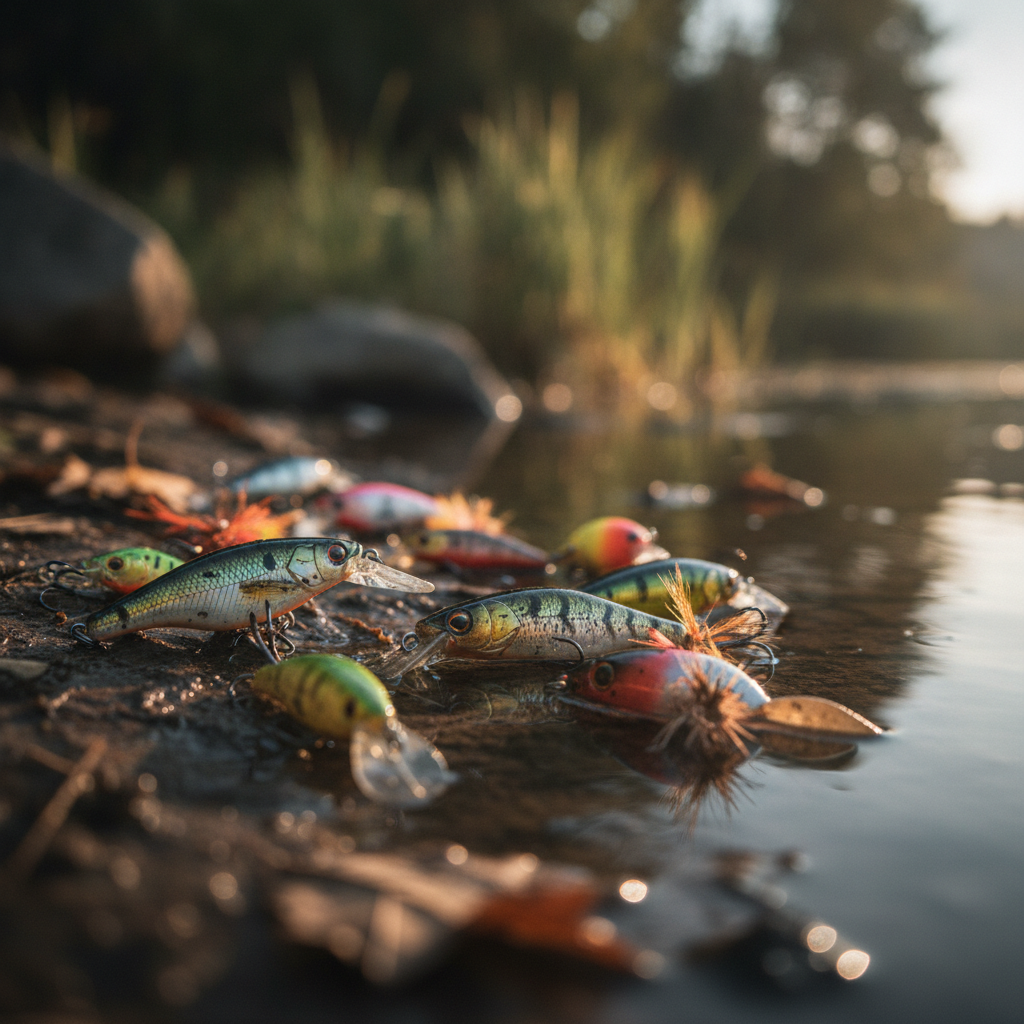
Fishing Lures 2026: The Ultimate Guide for River and Sea
Friends of the rod and lovers of the water! If there's one thing that unites us, beyond the early mornings and the smell of salt or river, it's that indescribable thrill of feeling a bite, isn't it? And in that magical moment, the undisputed protagonist, the one that makes it all happen, is undoubtedly the fishing lure. In 2026, technological evolution and the creativity of manufacturers have taken fishing lures to a higher level, offering us more realistic, effective tools adapted to every situation. From the clear waters of a mountain river to the depths of the Atlantic or the Mediterranean, there's a perfect lure waiting for you.
In this ultimate guide, we will dive into the fascinating world of fishing lures, exploring the latest trends and reinvented classics for diverse modalities such as spinning, carp fishing, fly fishing, or jigging. Get ready to discover how to choose the ideal lure, which accessories are essential, and how to perfect your technique to maximize your catches. The adventure starts here!
Fishing Lures for Every Modality
Each environment, each species, and each fishing technique demands a specific type of lure. The key to success lies in knowing them and knowing when and how to use them. In 2026, the variety is astonishing, with innovations that leave us speechless.
River Fishing: Delicacy and Precision
River fishing is an art that demands finesse. Here, the most popular fishing lures are:
- Artificial flies: For fly fishing, imitation is key. From nymphs that simulate larvae to dry flies that replicate insects resting on the surface, 2026 flies incorporate ultralight materials and sharper hooks for an impeccable presentation.
- Spinners: A classic that never fails for trout and barbel. The new generations of spinners incorporate holographic finishes and optimized vibrations to attract the most wary fish.
- Small soft plastic lures: Perfect for black bass or zander in wider sections. The softness and realism of the movements make these lures a very effective option.
Sea Fishing: Strength and Action
The sea offers a different battle, where the power and resistance of lures are crucial:
- Jigging: For vertical deep-sea fishing, metal jigs have evolved. We now find hydrodynamic designs that fall faster and move more erratically, perfectly imitating an injured fish.
- Poppers and walkers: The excitement of a surface strike! These lures, ideal for predators such as sea bass or tuna, incorporate weight transfer systems for longer casts and designs that create irresistible splashes and movements.
- Large soft plastic lures: For dentex, groupers, or amberjacks, soft plastics with weighted heads offer impressive realism. The 2026 models feature articulated tails and more durable materials.
Spinning: Versatility in Motion
Spinning is a dynamic modality that greatly benefits from innovation in fishing lures. From minnows that imitate fry to jerkbaits with erratic movements, the key is versatility. New trends include lures with internal vibration systems and finishes that change color depending on the light.
Carpfishing: Strategy and Patience
Although carp fishing is more associated with natural baits, artificial lures or "imitations" play a crucial role in presentation. Floating or sinking plastic boilies, silicone corn kernels, or even artificial worms are used to trick the wariest carp, often combined with real baits to create an irresistible "rig."
How to Choose Your Perfect Fishing Lures
Choosing the right fishing lure can make the difference between a day of glory and a day of frustration. There is no magic formula, but there are key factors to consider:
- Color: In clear waters, natural and translucent colors are usually more effective. In murky or low-light waters, bright colors (fluor or white) can stand out more. Experiment and observe the fish's reaction.
- Size: It should be consistent with the species you are targeting and the size of its usual prey. A lure that is too large can scare, and one that is too small can go unnoticed.
- Material: Lures can be made of wood, plastic, metal, vinyl... Each material offers different buoyancy, resistance, and movement. Soft plastics are very versatile, while metallic ones are ideal for depth.
- Action: Refers to the movement the lure makes in the water. Is it an erratic swim, a constant vibration, a zigzag? The action should imitate a natural or injured prey to be attractive.
- Water conditions: Temperature, clarity, current, and depth directly influence. A floating lure will be useless in deep water and a sinking one on the surface.
For beginners, starting with versatile lures like minnows and spinners is a good option. Experts, on the other hand, can experiment with more specialized lures and complex retrieve techniques.
Essential Accessories for Your Fishing Lures
A good fishing lure is only part of the equation. To perform at its best, it needs to be in harmony with the rest of your gear. The synergy between accessories is what will truly allow you to enjoy and succeed in your fishing trips.
- Fishing Rods: The choice of fishing rod is fundamental. For spinning, you'll need a light and sensitive rod that allows you to feel the lure and the bite. For jigging, a more robust and powerful rod. The rod's action should complement the weight and type of lure you are using. A rod that is too stiff will not allow a light lure to work correctly, and one that is too soft will not give you the necessary control with a heavy lure.
- Fishing Reels: The fishing reel is the engine of your gear. A good reel with a smooth and precise drag is vital for managing the bite and fighting the fish. The retrieve speed (gear ratio) is also important, as it will influence how you retrieve the lure. For lures that require a fast retrieve, a reel with a high gear ratio will be ideal.
- Lines and Leaders: The best lure is useless if the line is not appropriate. Monofilaments for abrasion resistance, fluorocarbons for invisibility, or braided lines for sensitivity and casting distance. The leader, often fluorocarbon, is crucial for presenting the lure naturally without the fish detecting the main line.
- Technical Fishing Apparel: Comfort and protection are paramount. Technical fishing apparel will keep you dry, warm, or cool, depending on the season. Breathable, waterproof, and UV-protective materials are essential. Do not underestimate the impact of discomfort on your concentration and enjoyment.
- Polarized Sunglasses: An often underestimated accessory. Polarized sunglasses eliminate reflections from the water's surface, allowing you to see what's underneath: structures, fish, and most importantly, the predator approaching your lure! They are an indispensable visual hunting tool.
- Pliers and Tools: Good needle-nose pliers for unhooking or changing split rings, and scissors for cutting line, are basic. Make sure they are corrosion-resistant if you fish in saltwater.
- Tackle Boxes: Organizing your fishing lures is key. Boxes with adjustable compartments will help you keep them handy and protected.
Remember that every element of your gear works together. Investing in quality in each of them not only enhances your experience but also increases your chances of success. Don't forget other items like a good bushcraft axe if you venture into the wilderness, or even a pair of hunting boots if your day involves long walks over difficult terrain, as adaptability is key in the outdoors.
Advanced Tips for Maximizing Your Catches with Lures
Once you have the right gear and fishing lures, it's time to refine your technique. Fishing is a constant learning process, and these advanced tips will help you go a step further:
- Know Your Environment: Before casting the first lure, observe. Are there submerged structures? Depth changes? Currents? Fish are often associated with these features. Use fishfinders if you have them, or simply read the water.
- Variety in Retrieve: A simple straight retrieve is not always enough. Try stops and starts, sharp jerks, speed changes, or long pauses. Fish often strike when the lure imitates an injured or disoriented prey.
- Adjust Lure Weight: If you are not reaching the desired depth, or if the current is too strong, try a heavier lure. If, on the contrary, the fish is striking on the surface, opt for a floating lure or a popper.
- Change Lures Frequently: If a lure is not yielding results after several casts, do not hesitate to change it. Sometimes, a change of color, size, or action is enough to pique the fish's interest.
- Read the Fish's Reaction: Observe if there are chases without a bite, or if the fish merely brushes the lure. This will give you clues as to whether you need a smaller lure, a different color, or a more subtle retrieve.
- Take Advantage of Key Hours: Dawn and dusk are often the times of greatest activity for many predators. Plan your trips to be on the water during these time frames.
- Perfect Your Cast: A good cast not only allows you to reach greater distances but also to place the lure precisely in hot spots. Practice different types of casts: overhead, sidecast, flip cast.
- Do Not Underestimate Presentation: How your lure "enters" the water is as important as its movement. Try to make the fall smooth and natural, without abrupt splashes that could scare the fish.
- Learn from Mistakes (and Successes): Keep a mental or physical record of which lures worked, where, when, and under what conditions. This will help you build valuable knowledge for future outings.
Fishing is a school of patience and observation. The more you practice and experiment, the more you will sharpen your instinct and your ability to "read" the water and the fish. And remember, it's not all about fishing; the experience in nature, the tranquility, and camaraderie are also a fundamental part of this passion. Enjoy every moment, even if the deer jerky croquettes you have in the cooler are the only "trophy" of the day.
Conclusion: The Future of Fishing Lures
As we have seen, fishing lures are much more than simple pieces of plastic or metal; they are the soul of our rod, the connection between the angler and the underwater world. In 2026, innovation continues unabated, offering us increasingly sophisticated tools to face the challenges of river and sea fishing. From the subtlety of an artificial fly to the power of a jig, the right choice and refined technique are essential to transform any day into an unforgettable experience.
We encourage you to explore the latest innovations, experiment with different types of fishing lures, and never stop learning. Every cast, every bite, and every catch will bring you a little closer to mastery. Visit our fishing lures section in the store to discover the latest additions and equip yourself with the best for your next adventure. The water awaits, and with the right lure, success is guaranteed! Go get 'em!