





Polarized Fishing Sunglasses 2026: Your Ultimate Guide
june 18, 2026
Polarized Fishing Sunglasses 2026: Your Ultimate Guide
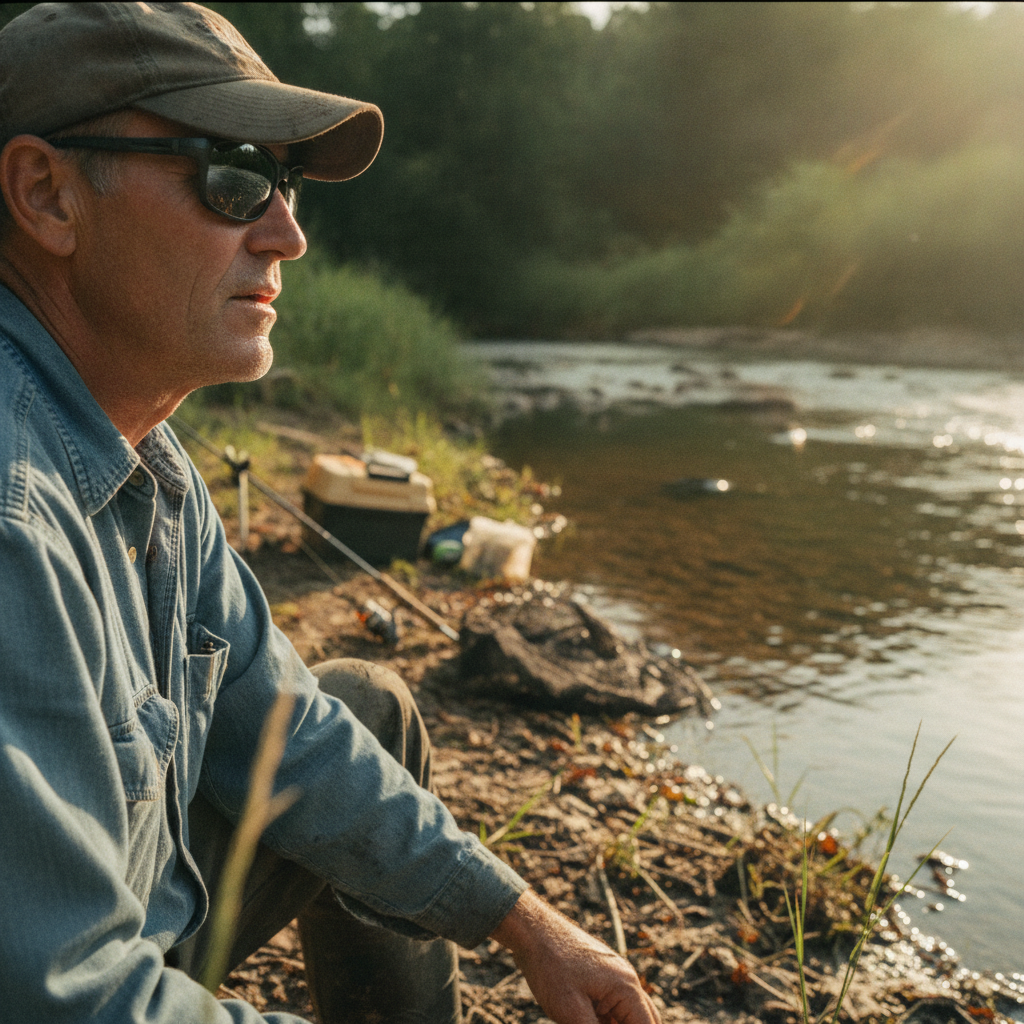
Fellow anglers! If there's one accessory that truly makes the difference between a good fishing day and an exceptional one, it's **polarized sunglasses**. In the world of fishing, where sight is our main tool for reading the water, detecting subtle movements, or anticipating a bite, good polarized sunglasses are not a luxury; they're a smart investment. This year, 2026, technology continues to advance, offering us increasingly sophisticated options to protect our eyes and enhance our vision under the sun. In this ultimate guide, we'll dive into everything you need to know about polarized fishing sunglasses. From why they are so crucial to how to choose the perfect pair for your favorite fishing style, whether it's river fishing (fly fishing, carp fishing) or sea fishing (spinning, jigging). Get ready to discover how these optical marvels can completely transform your experience on the water, allowing you to see what others only imagine.Why Use Polarized Sunglasses for Your Fishing Sessions?
Imagine this: a sunny day, you're on the riverbank or out at sea, and the water reflects the sunlight like a mirror, blinding you completely. That's the harsh reality of fishing without good polarized sunglasses. The main and most obvious benefit is the **elimination of reflections**. Polarization acts like a magical filter that blocks the horizontal glare bouncing off the water's surface, sand, or even snow. The result? Astonishing visual clarity that allows you to see through the water's surface as if it were glass. This improvement in visibility is a game-changer. You'll be able to detect underwater structures, schools of fish, the silhouette of that lurking predator, or even follow the movement of your lure with unprecedented precision. For the **spinning** angler, seeing the movement of their soft plastic or artificial lure is key. For the **carp fisherman**, observing how the carp behaves near the bait can make the difference between a bite and a blank day. But the benefits don't stop there. Polarized sunglasses also offer essential protection against harmful UV rays. Spending hours in the sun without adequate protection can lead to long-term eye problems. With a good UV filter, your eyes will be safe, reducing eye strain and allowing you to concentrate on what truly matters: fishing. Additionally, they act as a physical barrier against flying hooks, sinkers, or branches—an added safety bonus that's always welcome in our outdoor adventures.Types of Polarized Sunglasses for Each Fishing Modality
Not all polarized sunglasses are created equal, and what works for river fishing might not be ideal for open water. The key lies in the lens color and material, adapting to light conditions and the environment.Polarized Sunglasses for River Fishing (Fly Fishing, Carp Fishing)
For river fishing, where depth is shallower and there's often vegetation or rocks, visibility is crucial.- Amber or copper lenses: These are ideal for variable light conditions, from slightly cloudy skies to sunny days. They enhance contrast and depth perception, which is perfect for detecting fish in shallow water or submerged structures. For the **fly fisherman**, who needs to see the drift of their imitation or the fish's rise, these lenses are a blessing.
- Green lenses: Offer excellent contrast and reduce eye strain on sunny days. They are very versatile and work well in different riverside environments.
- Lens material: Polycarbonate is an excellent choice for its lightness and impact resistance, which is vital in environments with branches or rocks.
Polarized Sunglasses for Sea Fishing (Spinning, Jigging)
At sea, the intensity of sunlight is greater, and reflections can be more powerful.- Gray or smoke lenses: They are perfect for bright light conditions and sunny days. They reduce glare without altering colors, offering natural vision. They are the go-to choice for **spinning** or **jigging** in open water, where long-distance visibility and glare reduction are paramount.
- Blue mirrored lenses: Ideal for extremely bright light conditions and open waters. Their mirrored coating offers additional glare protection and a very cool aesthetic touch.
- Lens material: In addition to polycarbonate, mineral glass offers superior optical clarity, though it is heavier and less impact-resistant. It's an option for those who prioritize maximum sharpness.
How to Choose Your Ideal Polarized Sunglasses: 2026 Buying Guide
Choosing the perfect polarized sunglasses involves considering several key factors that go beyond just the lens color. Here's a guide to help you make a perfect purchase.Lens Material
- Polycarbonate: This is the most common and versatile material. Lightweight, impact-resistant, and with good optical quality. Ideal for most fishermen due to its durability and comfort.
- Trivex: Similar to polycarbonate, but with slightly superior optical clarity and even lighter. An excellent option if you're looking for extra quality.
- Mineral Glass: Offers maximum optical clarity and scratch resistance. However, it is heavier and more fragile against impacts. Recommended for those who seek visual perfection and are careful with their gear.
UV Filter
Make sure your glasses offer 100% protection against UVA and UVB rays. Your eye health is non-negotiable. Look for the UV400 seal, which guarantees this protection.Comfort and Fit
Comfortable glasses are essential, especially if you're going to spend hours wearing them.- Frame: It should be lightweight and fit your face well without pressure. Wrap-around frames offer greater side protection against the sun and wind.
- Temples: They shouldn't slip, especially if you sweat. Some models include anti-slip rubber.
- Nose bridge: Adjustable or with rubber pads for greater comfort.
Durability
Fishing is a demanding activity. Your glasses should be robust.- Frames: Nylon or grilamid are flexible and resistant to saltwater corrosion.
- Coatings: Look for lenses with anti-scratch and oleophobic (water and smudge repellent) coatings.
Recommended Brands for Anglers
While we cannot recommend specific brands by name, look for those with a solid reputation in the outdoor and fishing industries. They often offer patented lens and frame technologies that make a difference. Don't trust cheap imitations; invest in quality, just as you would with a Swarovski Optik TLS APO ATX/STX Photo Adapter for your photography gear.Maintenance and Care of Your Polarized Sunglasses
For your polarized sunglasses to last for many years and perform at their best, proper maintenance is essential. It's simple, but it requires consistency.- Proper cleaning: Never clean the lenses with your shirt or any abrasive cloth. Always use a clean, specific microfiber cloth for lenses. If the glasses are very dirty or salty, rinse them first with fresh water (never hot!) to remove abrasive particles. Then, apply a lens cleaning spray or a little diluted neutral soap and gently rub with the microfiber cloth.
- Avoid saltwater: If you fish in the sea, rinse your glasses with fresh water as soon as possible after each outing. Salt is corrosive and can damage the lens coatings and frame.
- Storage: Always store your glasses in their protective case when not in use. This will protect them from scratches, bumps, and dust. Do not leave them exposed to direct sunlight inside the car, as extreme heat can deform the frame or damage the lens coatings.
- Avoid chemicals: Do not use household glass cleaners, alcohol, acetone, or any other harsh chemical. They could permanently damage polarized lenses.
- Check screws: Occasionally, check that the small screws on the frame are tight. If they loosen, you could lose a temple or have the glasses become misaligned.
Conclusion: Invest in Your Vision, Invest in Your Fishing
Ultimately, **polarized sunglasses** are much more than a simple fashion accessory for the angler. They are an essential tool that dramatically improves your ability to read the water, detect fish, and ultimately increase your chances of success on every outing. Investing in good polarized sunglasses is an investment in your comfort, your eye safety, and, of course, your passion for fishing. Whether your passion takes you to mountain rivers for fly fishing, to the shores of a reservoir for carp fishing, or to the vast expanses of the sea for spinning or jigging, there's a perfect pair of polarized sunglasses for you. Don't compromise your vision or your experience. Take your time to research, choose a model that suits your needs, and enjoy the clarity that only quality polarized lenses can offer. Don't wait any longer! Visit our store at YWHunters and explore the available options. Discover how good polarized sunglasses can transform every fishing trip into a sharper, safer, and much more rewarding adventure. Happy fishing!Related content
Señuelos de Pesca: Guía Completa para Río, Mar y Todas las Técnicas
september 14, 2026
Read article ->
Cañas de Pescar: Guía Completa para Río, Mar y Todas las Modalidades
august 13, 2026
Read article ->