

The law of the three layers
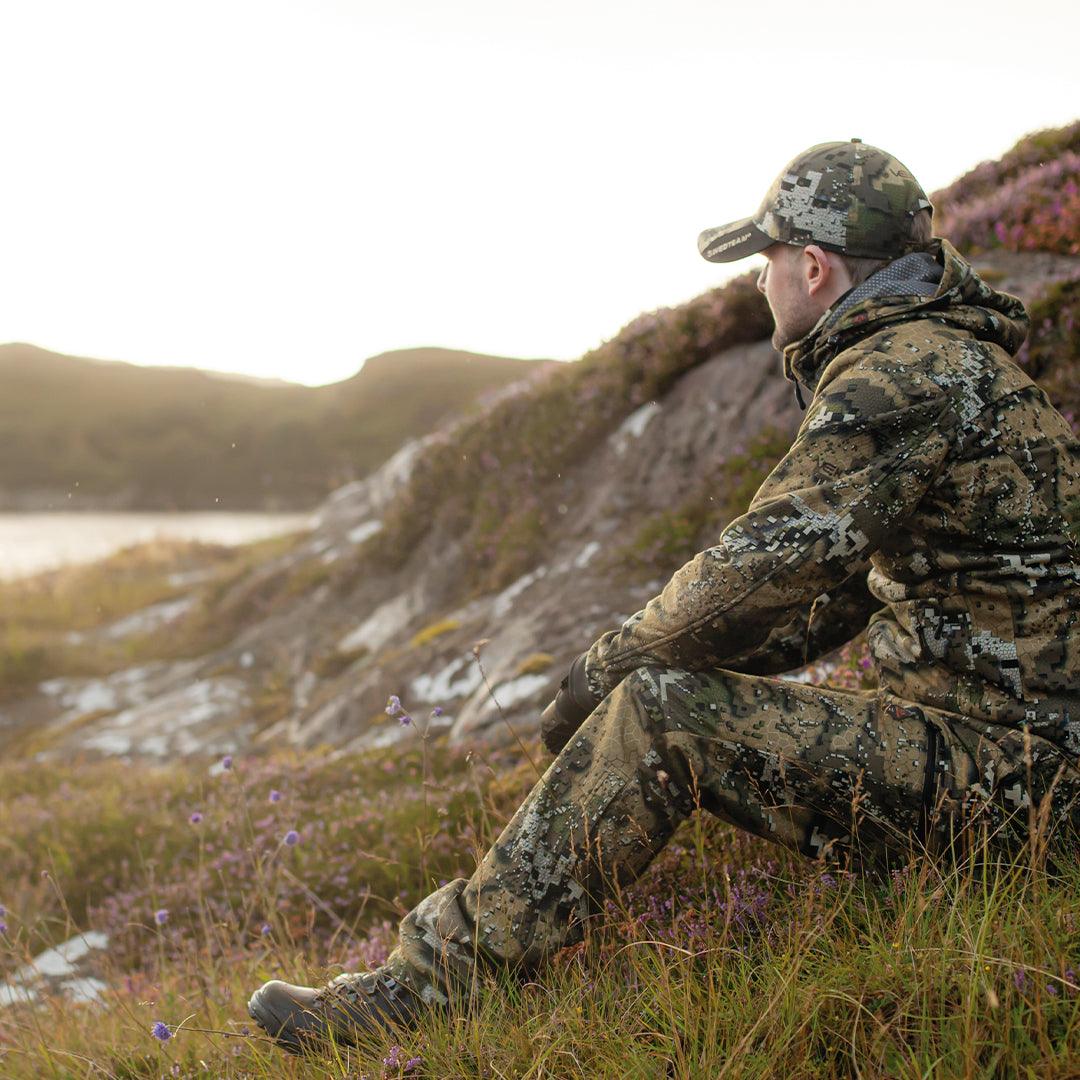
It finally seems like winter has arrived, and with it, rain, wind, and cold. That's why, in this blog, we explain how to handle a nature outing in extreme weather.
The option we offer is the "three-layer theory." This involves choosing clothing to protect your body from your own sweat and the elements that may arise during your day. This theory is nothing new; mountain and nature experts have used it for decades.
The origin of the theory
In the past, mountaineers faced enormous challenges wearing layers and layers of clothing. Just look at the photographs of the first climbers of peaks like the Eiger or Everest. Without any innovation in tactical clothing, they scaled monstrous mountains in weather that made anyone's hair stand on end.

Gradually, in the mid-20th century, synthetic fibers, breathable materials, waterproof layers, and fleece fabric began to appear. But the big revolution came with the Norwegian brand Helly Hansen , which proposed these basics for mountaineering. This theory applies to any type of activity, such as hunting, trekking, mountaineering, mountain biking, and so on. It should be used on both the upper and lower body (also recommended for hands and feet) to create a microclimate around your body.
How does it work?
We explain the theory so you can apply it, and we also recommend a garment for each layer from the Swedteam brand.
First layer: the one that is attached to the skin

This garment is always in contact with the skin, acting as a kind of "second skin," and we must keep it dry. That's why we need to wear fabrics that breathe and don't absorb or retain sweat. Depending on the temperature we're facing, we'll vary the thickness of the thermal underwear. If the day is warm and sunny, only this layer will be used.
Second layer: warm and insulate us

Its function is to maintain our body heat and act as an insulator against the cold. The most common example is a wool vest or a fleece jacket. These garments can be removed and put on to self-regulate your temperature according to the weather outside.
Plus, in our YWH store you can find the perfect fleece to complete the three layers.

Its main function is to protect us from the most common weather conditions in nature: cold, wind, water, and snow. This last layer should be durable and have waterproof membranes to ensure moisture doesn't penetrate the second layer. You can rest assured that you'll stay completely dry whether you're hunting on the move or standing still in your position. It's a very important factor to consider if your garment has extra ventilation areas; this will help disperse excess heat and evaporation that occurs while we move. 
Author: María Balletbó