
 Visión térmica
 Visión nocturna
 Chalecos
 Pantalones
 Botas de caza
 Protección auditiva
 Cámaras de fototrampeo
 Multiherramientas
 Arco y ballesta
 Taxidermia
 Carne de caza


 Accesorios
2026 Triathlon Shoes: The Ultimate Guide for Runners
july 17, 2026
Triathlon Shoes 2026: The Ultimate Guide for Runners
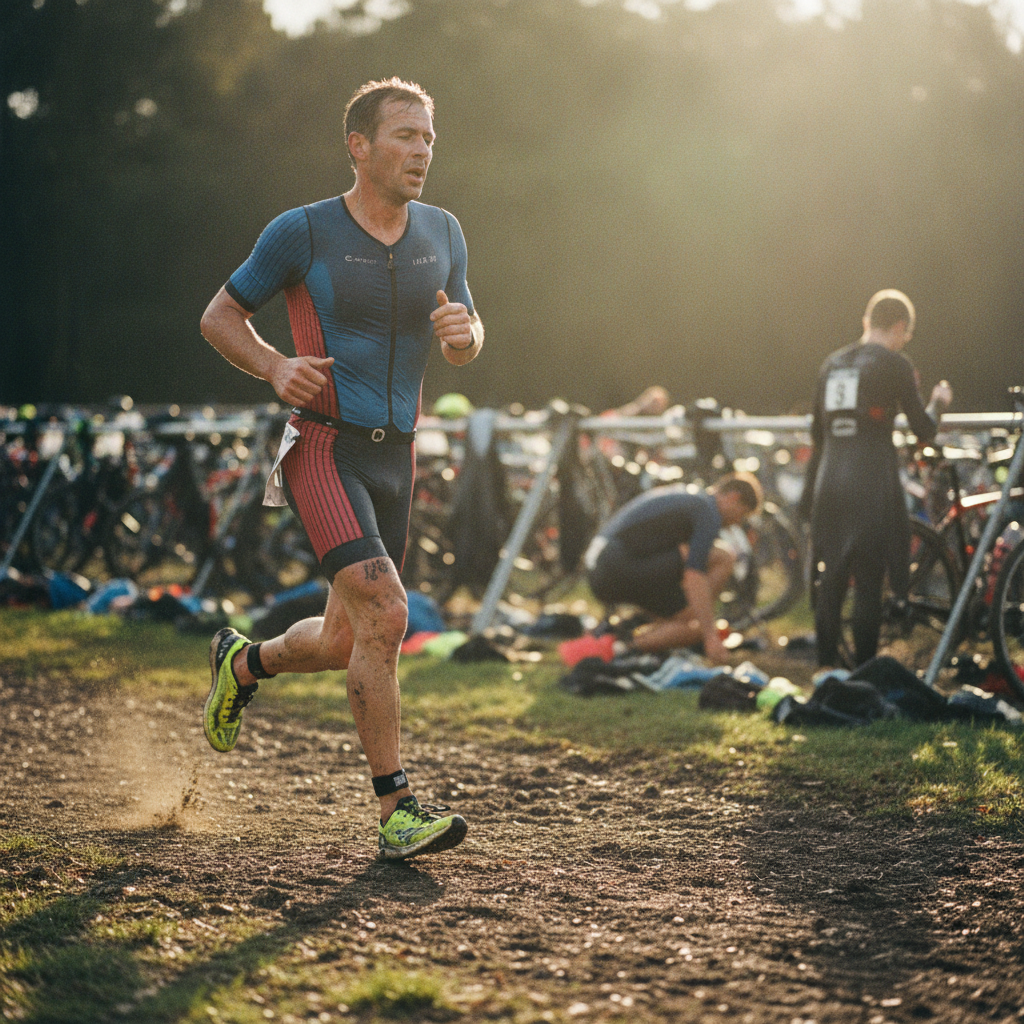
Hello, triathletes! Ready to give it your all next season? Triathlon is an addictive sport that demands your best in every stroke, every pedal stroke, and every stride. It's a discipline where physical and mental preparation are crucial, but we can't forget a factor that is often underestimated: equipment. And among that equipment, triathlon shoes are undoubtedly one of the most important pieces. Not only do they accompany you in the final stretch, the run, but they directly influence your performance and your health. From a sprint triathlon, where every second counts in transitions, to a challenging Ironman, where comfort and durability are vital, your shoe choice can make the difference between crossing the finish line with a smile or with discomfort. In this ultimate guide, we will break down everything you need to know to choose the perfect 2026 triathlon shoes for you.How to Choose Your Perfect Triathlon Shoes
Choosing the right triathlon shoes is no easy task. There are a series of key factors you should consider to ensure your choice propels you towards your goals, whether it's a sprint, Olympic, or Ironman triathlon.Key factors to consider:
- Cushioning: It is essential to absorb impact and protect your joints, especially over long distances. Good cushioning reduces fatigue and the risk of injuries.
- Weight: In triathlon, every gram counts. Lightweight shoes will help you maintain speed and reduce effort, especially on the run after swimming and cycling.
- Drop: Refers to the height difference between the heel and the toe. A low drop (0-4 mm) favors a more natural stride, while a high one (8-12 mm) provides more cushioning in the heel, ideal for heel strikers.
- Comfort for quick transitions: Triathlon shoes are designed with T2 (bike to run transition) in mind. They usually have large tongues, heel loops, and quick lacing systems (elastic or with stoppers) to put them on in seconds. The ability to wear them without socks, with a seamless interior to prevent chafing, is a plus.
- Durability: Although they are not the shoes that accumulate the most miles compared to daily training shoes, they must be resistant enough to withstand the intensity of competition and specific training.
Differences between running and triathlon shoes:
Although they share many characteristics, triathlon shoes have peculiarities that distinguish them from conventional running shoes. The main differences lie in the ease of putting them on quickly (transitions), the ability to be used without socks (preventing chafing), and sometimes, greater ventilation to dry faster if they come into contact with water. Running shoes focus more on cushioning and support for prolonged dry use, while triathlon shoes add that extra functionality for multisport competition.The Best Triathlon Shoes by Distance 2026
Now that we have the key factors clear, let's see which triathlon shoe models are most recommended for each distance in 2026.Sprint Triathlon (750m swim, 20km bike, 5km run):
In sprint, speed and quick transitions are vital. You'll need very lightweight shoes, with a good quick lacing system and that you can put on almost instantly. Cushioning is not as critical as in longer distances, but reactivity is.- Recommended models: Look for options with featherlight weight and a low drop. Brands like Hoka with their Rocket series or Asics and Saucony models geared towards competition are excellent. They usually incorporate tongues designed not to bother and grips on the heel to facilitate foot entry.
Olympic Triathlon (1.5km swim, 40km bike, 10km run):
Here we begin to need a balance between speed and comfort. The 10km run, after swimming and cycling, requires a little more cushioning than in sprint, without sacrificing lightness and ease of transition.- Recommended models: Hybrid models, which offer good cushioning without being heavy, are key. Shoes from brands like Brooks, with their more versatile models, or New Balance, can be great allies. Energy response technology in the midsole is a plus.
Ironman (3.8km swim, 180km bike, 42.2km run):
Ironman is the queen of races, and here comfort and cushioning are paramount. Running a marathon after swimming and cycling for hours demands shoes that pamper your feet. Durability also becomes very important.- Recommended models: Opt for shoes with maximum cushioning, that offer good support and are robust enough to withstand the punishment. Brands like Saucony with their Endorphin models or Hoka with their Clifton or Bondi, are very popular among long-distance triathletes for their comfort and protection. Look for technologies that aid propulsion and reduce muscle fatigue.
Essential Triathlon Equipment Beyond Shoes
Although triathlon shoes are fundamental, triathlon is a multidisciplinary sport that requires complete and specific equipment for each segment. We cannot overlook other crucial elements that will help you perform at your best and enjoy every moment of the competition.Wetsuits:
Essential for open water swimming, especially if the water temperature is low. Not only do they protect you from the cold, but they also improve buoyancy, which translates into greater efficiency and speed in the water. There are different thicknesses and designs, adapted to the regulations of each competition and your buoyancy and flexibility needs. It is vital to choose one that fits your body perfectly to avoid chafing and allow total freedom of movement in the shoulders.Triathlon Bikes:
The jewel in the crown of the cycling segment. Triathlon bikes are aerodynamically designed to maximize speed and efficiency. Their specific geometry allows you to adopt a more aerodynamic and comfortable position over long distances, which translates into lower energy expenditure and a better transition to the run. There is a wide range, from entry-level models to high-end competition machines. The choice will depend on your budget and competition level.Nutrition and Hydration:
It's not equipment in the traditional sense, but it's as crucial as any piece of your kit. Nutrition and hydration strategy is the fourth segment of triathlon. Maintaining energy levels and preventing dehydration is vital to avoid "bonking" and maintain consistent performance. Gels, energy bars, isotonic drinks... everything must be planned and tested in training. To comfortably carry your gels and bars, a 5L Dry Bag can be a solution, although for cycling there are other more specific options. Remember, a good nutritional strategy can be the difference between finishing or not a long-distance race. In our store, although we don't have wetsuits or bicycles, you can find other items that may be useful in your daily life or for other outdoor activities. For example, to keep your belongings protected in any situation, a 5L Dry Bag is an indispensable basic. Or if you are one of those who enjoy nature in all its facets, perhaps you would be interested in taking a look at our GAIM Complete Simulator to sharpen your aim at home, or a Bat Vision Wild Boar II Flashlight for your night adventures.Training and Nutrition Tips for Triathletes
Triathlon is a demanding sport that requires meticulous planning in both training and nutrition. To optimize your performance and prevent injuries, it is essential to follow clear guidelines.- Swimming: Focus on technique, efficiency, and endurance. Include speed sets, stroke and kick work, and long-distance sessions.
- Cycling: Combine intensity training (intervals, sets) with long rides to improve aerobic endurance and leg power. Don't forget transitions (bike to run) to get your legs used to it.
- Running: Vary paces, including easy runs, fast sets, hills, and long runs. Pay special attention to your running technique to be more efficient and reduce the risk of injury.
- Strength and Flexibility: Don't underestimate them. Good core and general strength work prevents injuries and improves power in all three segments. Flexibility is crucial for recovery and range of motion.
Recovery:
As important as the training itself. Active recovery, quality sleep, and recovery techniques (massages, stretching, foam rolling) are essential to assimilate training loads and prevent overtraining. Listen to your body and don't be afraid to take a rest day when you need it.Nutritional Guidelines:
Nutrition is the fuel for your engine. A balanced diet adapted to the demands of triathlon is crucial.- Carbohydrates: They are your main energy source. Prioritize complex ones (whole grains, legumes, fruits) to maintain glycogen stores.
- Proteins: Essential for muscle repair. Include lean sources (chicken, fish, eggs, legumes) in every meal.
- Healthy Fats: Important for long-term energy and hormonal health. Avocado, nuts, extra virgin olive oil are good options.
- Hydration: Stay hydrated before, during, and after training and competitions. Water is vital, but in long training sessions or in hot climates, isotonic drinks with electrolytes are recommended.
- Supplementation: Consult a professional. Although a balanced diet is the foundation, some supplements (like creatine or beta-alanine) can be useful under supervision.