





Iberian lynx, an advance in conservation
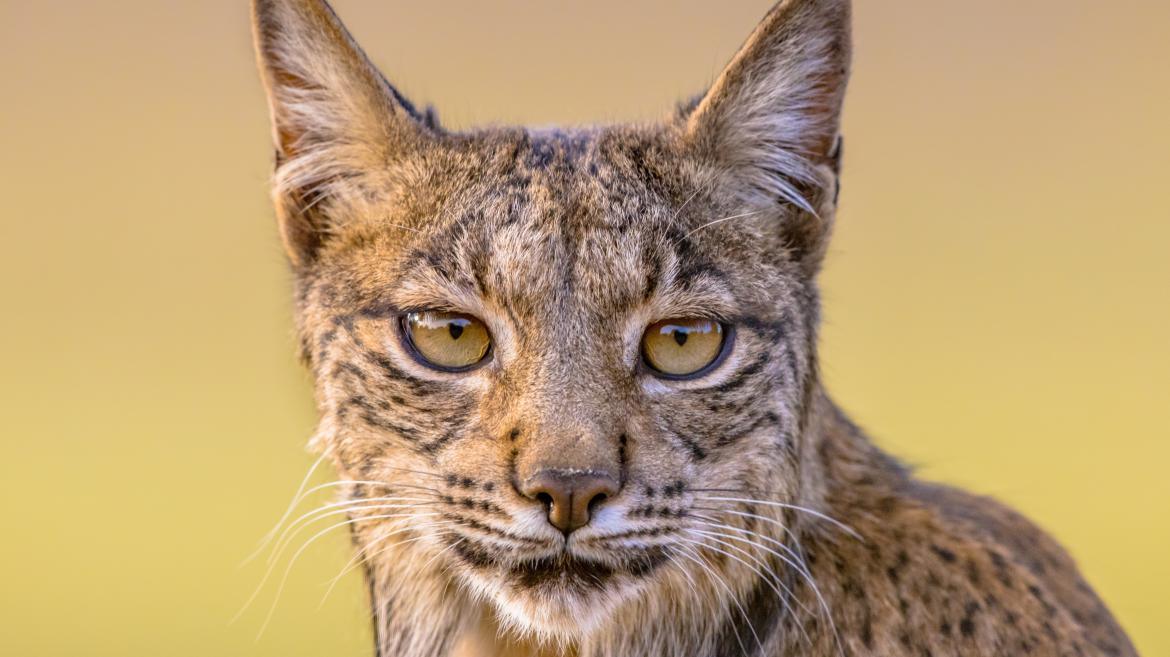
The Iberian lynx is part of the evolutionary line of large carnivores (tigers, lions, jaguars and leopards) from which it separated three or four million years ago. Due to its physical appearance, it is often intuitively associated with any of the other existing feline lines, but the Iberian lynx is closer to a tiger than a cat on the evolutionary scale.
Four species on the planet
The first is our protagonist, the Iberian lynx , the smallest of the four. Its size is half a meter in height by one meter in length, the females are also smaller than the males, weighing 10 kg compared to 14 kg. They differ from the rest by having more spotted skin and by their long beards and tufts of hair at the tips of their ears.

In second place we find the bobcat , a species that is distributed by a great diversity of habitats throughout the planet. It is three times the size of the typical domestic cat. Their tails have black bands at the end and are brown or light brown in coloration, many also have a reddish tinge. The underside of their bodies is white.

The third and largest species of all is the Boreal lynx . This cat's weight ranges from 18 to 30 kilograms and we can find the largest individuals in Siberia. Due to their size, they can feed on ungulates as well as small game species. The coat is marked with long dark brown spots that are all over the body, the pattern of these varies.

Ultimately there is the Canadian lynx , which we can find in the north of the American continent. The hair is yellowish or light brown and long, in order to defend itself from the cold, especially in winter. Normally they do not have spots or they have them in very little quantity, concentrating on the legs. Males are larger than females.

An increase in Iberian populations
The Iberian lynx is the second most endangered feline on the planet, after the Amur leopard. Despite occupying this position, the conservation world is in luck, as populations have rebounded tremendously in recent years. It has gone from barely 100 specimens in 2002, to having at least 1,300 individuals of this feline according to updated official data.
The resurgence of the Iberian lynx owes much of its success to captive breeding programs, and it is that “ex situ” conservation programs (captive breeding and repopulation of specimens) have played a determining role in repopulations. If these data continue to rise, it is estimated that by 2040 it will be practically restored.
In 2021, 13 population centers were registered, one in Portugal and the rest in Spain. Distributed in Andalusia, Castilla La Mancha and Extremadura.
 Source: WWF
Because it is in danger of extinction?
The first cause of its danger began in the 50s when the population of wild rabbits plummeted due to myxomatosis. In the 1980s they were infected with a hemorrhagic viral disease that further reduced their population.
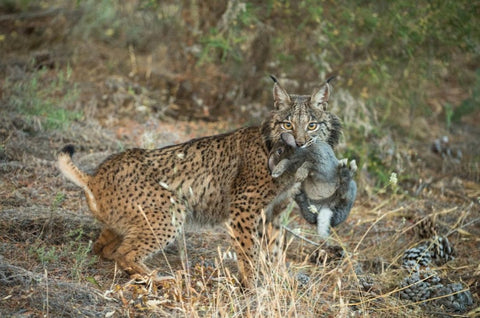
The lynx is an animal that is very specialized in its habitat and type of prey it consumes, since although it can feed on other small animals, rabbits are its food base.
Another reason was poaching and trafficking in exotic species. Poachers hunted these animals to profit from the sale of their skins, their hunting is currently punishable and completely prohibited. Although to this day, there are still cases of lynx death by shooting, since in the field they are still seen as a vermin that eats rabbits.
In addition, a large number of lynxes currently die from being run over by people's cars on the roads of the areas where they live, either because they live in the area or because of tourism in the Natural Parks where the lynx is found. lynx.
The conservation project
In the Iberian Peninsula, different conservation projects have been followed for decades so that this species is removed from the endangered list, the largest and most ambitious of them is LIFE Iberlince. All the Autonomous Communities with a presence of lynx have participated in this initiative, as well as the Government of Spain and the European Union.
Starting in 2002, a second stage was entered, in which the project already had the objective of recovering the Iberian lynx population in Andalusia. Almost 49% more population was achieved at the end of 2006 and the distribution area of the lynx increased by 73%, thus returning to Doñana and Sierra Morena.
The third phase lasted from 2006 to 2011, with the aim of recovering the rabbit, protecting the natural spaces where it was found, preparing roads with the so-called "ecoducts" and the legislation on hunting.
It was here that WWF, Ecologistas en Acción, ATECA, the Andalusian Hunting Federation and the CBD Habitat Foundation, among others, joined the project. It was the first time the project had reintroduced lynx to some areas historical to the species. The EU awarded the 'Best of the Best' award to the project.
The fourth phase: recovery of the historical distribution of the Iberian Lynx in Spain and Portugal (2011-2016). It had a budget of 34 million euros (61% with European funds).
In 2018 the project was completed with masterful data, although work continues for the complete recovery of this species and for it to be removed from the list of endangered animals.

If you like this blog and want to know more about hunting and conservation, I invite you to read this blog about 5 types of hunting that you may not have known about at the following link: https://www.youngwildhunters.com/blogs/noticias/cinco- modalities-of-hunting-that-perhaps-you-didn't-know
Author: María Balletbó