
 Visión térmica
 Visión nocturna
 Chalecos
 Pantalones
 Botas de caza
 Protección auditiva
 Cámaras de fototrampeo
 Multiherramientas
 Arco y ballesta
 Taxidermia
 Carne de caza
 Accesorios
Spanish driven hunt
What is the origin?
For millennia, this type of hunting has been accompanied by horses and dogs. The hunters were equipped with spears and bows which they used to shoot their prey, to which was added the thrill of the fight between the prey (which were usually bears and wolves) and the dogs that accompanied the hunter. These dogs were usually hounds that followed the prey and alanos or mastiffs to hold the prey until the owner arrived. Not only these wild animals were hunted, but there was also room for foxes and large wild boars. Hunting roe deer and deer was not part of the hunting on horseback, as it was reserved for nobles and monarchs who hunted on foot with arquebuses.
As firearms became easier to transport and in the 20th century they were improved into shotguns and rifles, the horse was displaced from hunting on horseback. Although there were still people who used them to move the dogs or to take the mules into the mountains and bring out the prey.
It was an authentic hunt in which hunters had to have an excellent knowledge of the mountain, the behaviour of the animals and have well trained dogs. It was a purely selective, sporting hunt, suitable only for the brave.

Culture and tradition
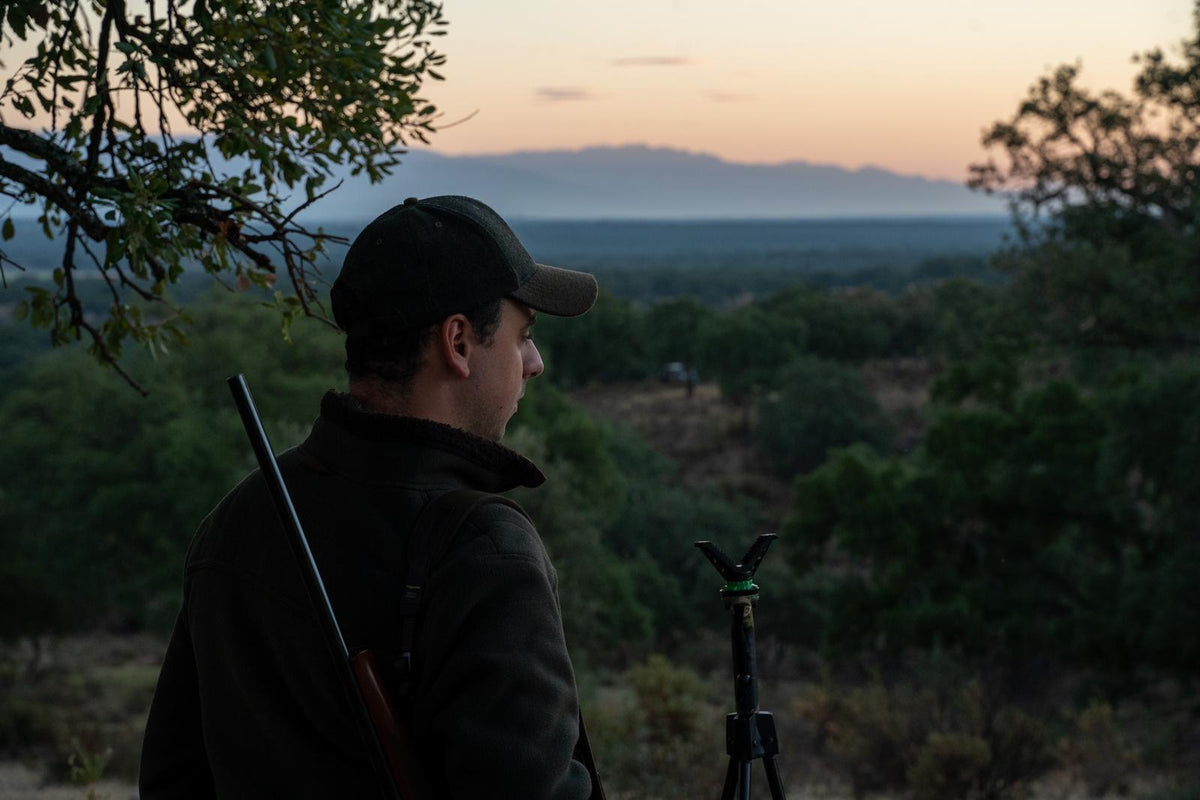
This type of hunting is an attraction for many countries and is a great economic engine in the Iberian Peninsula. The "montería" consists of enclosing a piece of land and placing different stands with hunters in a strategic place. The aim of these waiting posts is to cover the natural escapes of the animals in the countryside. After the correct positioning of the participants in the stand, it is time for the release of the dogs, with the aim of lifting the animals out of their encampments in the enclosed area. The aim is for these animals to pass in front of the waiting area and be shot in the process of escaping from the packs of sticks.
There are several aspects to bear in mind when it comes to this type of hunting:
Know that the shots are made on the move and it is advisable to use a calibre with a high stopping power as opposed to those with high speed. They are quick shots in which you don't have to waste time facing the gun.
You stay for a long period of time in the position and you may not see any animal. You must stay in the place assigned by the organiser until the end of the hunt and under no circumstances leave it, as this can be dangerous.
You must have a good eye to see the animal in the undergrowth, but you must also be careful not to shoot at the dogs or near the companion. He is always dressed in orange to cover the spot and shouting.
The positions in a montería are usually a draw, so that there are no preferences of any kind. There are all kinds of shooting spots and you can get lucky that day in a place you do not expect, it is all a lottery, although the organiser knows that they have a better chance of success. In these waiting times, scopes and support sticks are often of little use. You have to be silent and wait for the magic of the barking of the dogs that start to run across the spot.
The heart and soul of the hunt: the rehala
It is a group of dogs, originally between 15 or 20. This number has increased over the years to a maximum of 25, but each rehalero has his own criteria. These animals use their incredible sense of smell, sight and hearing to locate and chase game in the bush. Their main mission is to lead the animals to the hunting posts to be shot, on their way they run barking to indicate their location and alert. Sometimes, the dogs bring down the prey and it is the dog catcher (or the closest hunter) who is in charge of finishing the job.
Dogs that are good at this practice tend to hunt dispersed and open, distant but always knowing their position in order to follow the hunter. These sets of dogs are not just any dogs and not all of them are suitable for this. They have to have sight, hearing and above all smell, as well as courage, strength, instinct and endurance to face the field and the prey.
Each part of Spain has its own tradition of rehala in terms of the breeds involved, but in general and in the classic montería there are three essential groups:
Pointer dogs: these dogs beat the terrain and look for game in every corner, they move quite far away from the dog catcher and usually mark where the target is. The most common breeds are medium-sized podencos such as the Andalusian podenco (a dog with a great sense of smell and hunting instinct).
Medium distance dogs: they chase the animals towards the positions, they must have good feet to move the animals. The Canarian hound and the bell-dogs stand out.
Gripping dogs: they are in charge of holding the animals once they have been gripped, so that they can be finished off with a knife, traditionally. These dogs are, for example, Alanos or Dogos, which have a strong jaw so as not to let any animal escape. Auxiliary to these dogs we have breeds usually mixed with mastiffs.
We have spoken of pure breeds, but normally cross breeds are used according to the taste of the hunter, and crossbreeds of podencos with gripping dogs or with scent hounds such as the hound are very common.
Bloodhounds are becoming more and more common in Spanish rehalas. They are becoming more and more important due to their great ability to track down wounded prey at the end of the hunt. The most common breeds are the dachshunds and bloodhounds.
Finally, it is important to highlight the social, cultural and economic importance of hunting in the rural areas where it is practised. A tradition to be preserved and defended for its continuation for generations to come.

AutHor: María Balletbó